
When Is the Best Time to Schedule a Demolition Project in Miami?
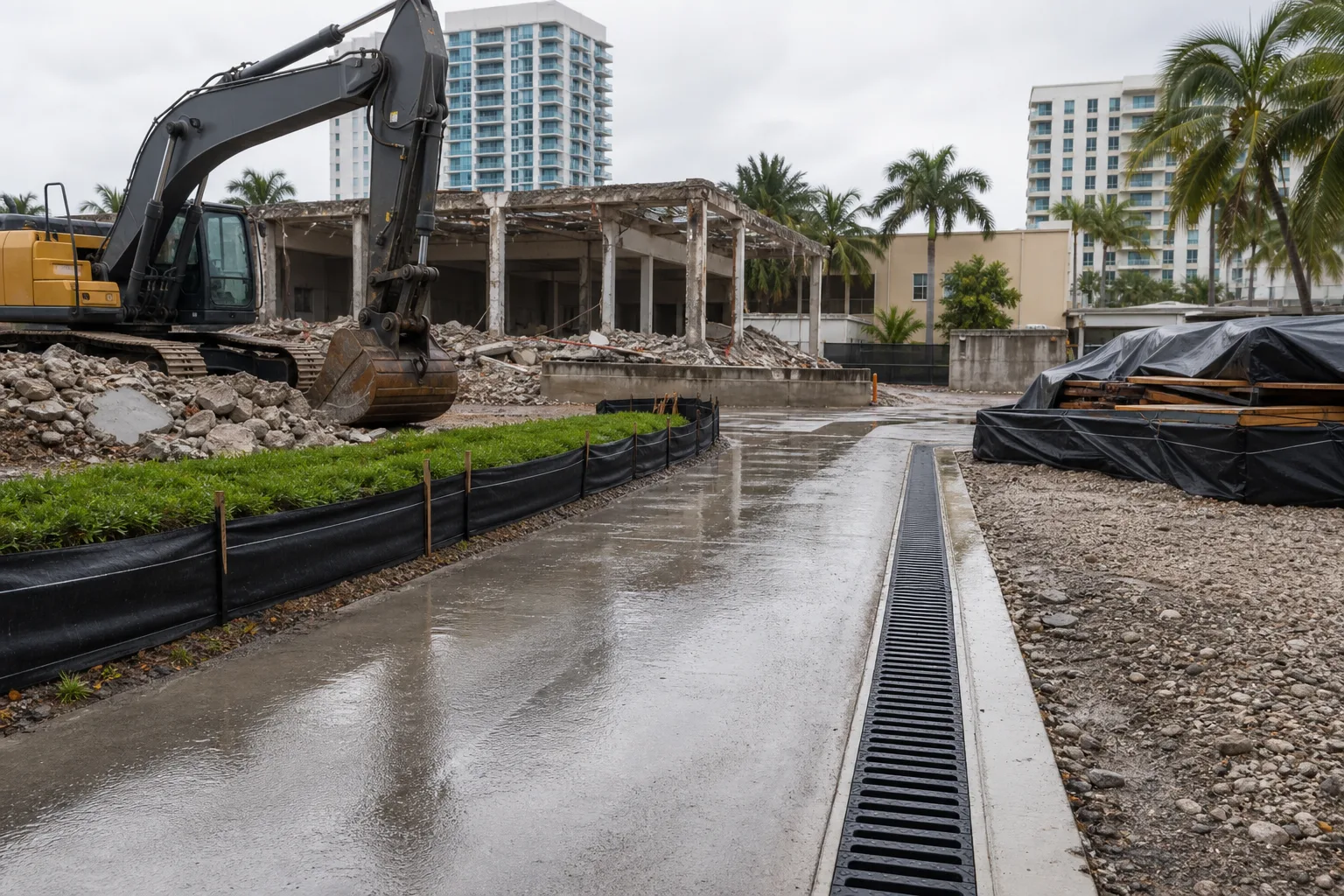
Scheduling a demolition project in Miami requires careful consideration of several factors that can significantly impact the efficiency, cost, and safety of the project.
Miami’s tropical climate, regulatory environment, and contractor availability all influence when you should start your project.
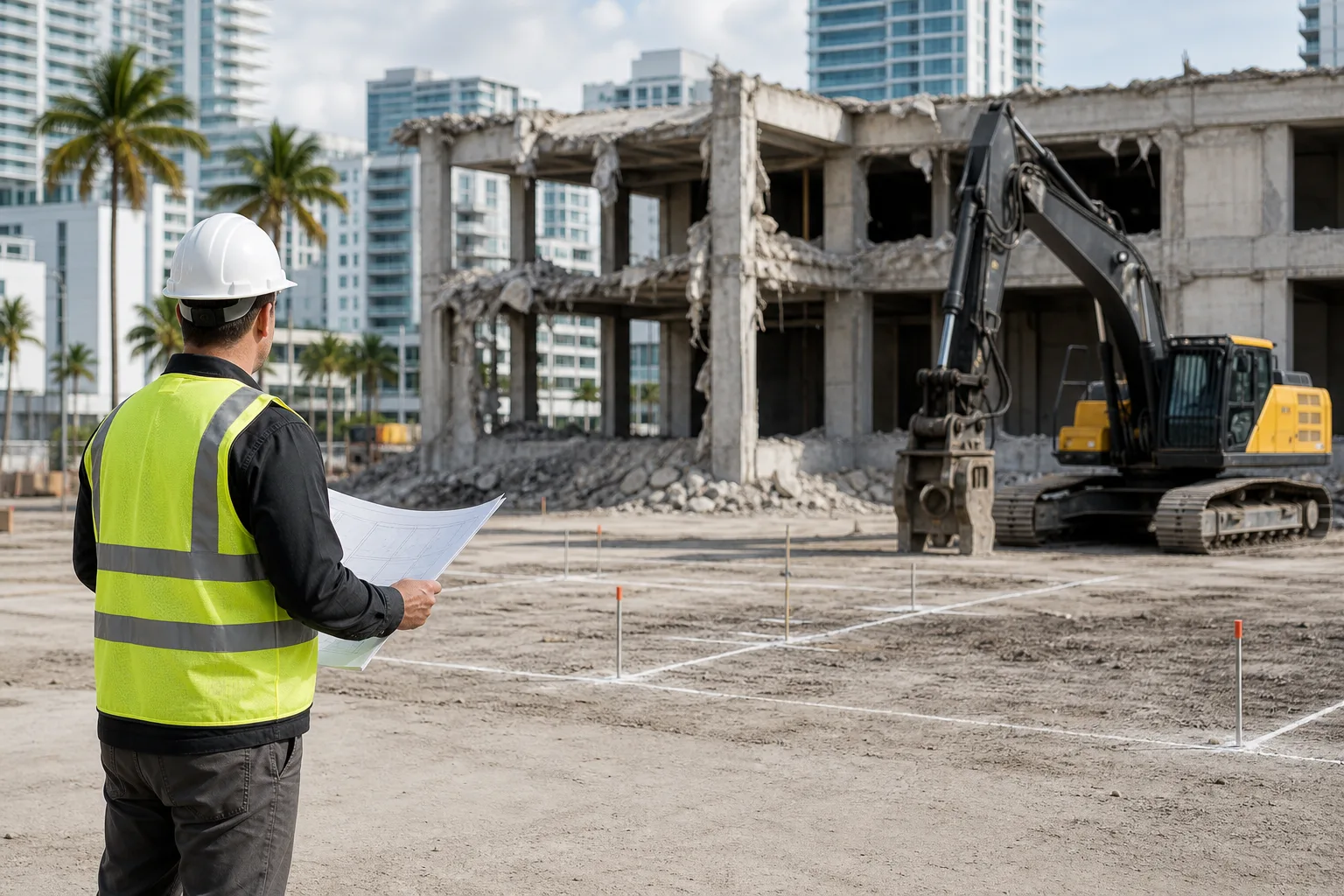
In this article, we’ll explore the best time to schedule a demolition project in Miami, taking into account weather, regulations, and other critical factors that affect the timeline.
The Climate Factor: How Miami’s Weather Affects Demolition Scheduling
Miami’s tropical climate plays a critical role in determining the best time for demolition. The city experiences a wet season from May through October and a dry season from November through April. During the wet season, rain, humidity, and the threat of hurricanes can cause significant delays.
The ideal time to schedule a demolition project in Miami is during the dry season (November-April). During these months, the weather is generally more predictable, with lower rainfall, making it safer for demolition crews to work and ensuring the project remains on schedule.
Demolition projects in Miami typically take 1-3 weeks, but this depends on the size of the site and permit approval and 98% of projects are completed on time when scheduled in the dry season.
Permits and Regulations: Navigating Miami’s Demolition Laws
Before starting any demolition project, it’s crucial to secure the necessary permits [1]. These permits can take several weeks to process, especially during peak demand periods.
In Miami, permits are required for residential and commercial demolition, and applications often need to be submitted to both the city and county for approval.
Miami’s permitting process can add delays, particularly during the summer months when demand for permits is higher.
Scheduling during the off-peak months (November to April) can help you avoid long waits. During this period, permit offices are less likely to be overwhelmed, ensuring quicker approval and fewer scheduling issues.
The Impact of Hurricane Season on Demolition Projects
Hurricane season in Miami runs from June through November. During this time, heavy rains, high winds, and even the threat of hurricanes can wreak havoc on a demolition project.
Demolition work might need to be postponed due to safety concerns, and unexpected weather events can cause significant delays.
To avoid interruptions and increase safety, it’s best to schedule demolition projects outside of the hurricane season.
The Role of Contractors and Availability of Demolition Crews
Contractors are often in high demand during peak construction seasons (usually from late fall to early spring). Scheduling your demolition during this time can help secure a contractor’s availability.
If you wait until the summer, you may find that contractors are already booked up with other projects, delaying your own work.
Planning ahead and booking contractors during the dry season will give you more flexibility and a wider selection of professionals.
Cost Considerations: Timing and Budget for Demolition
The timing of your demolition can affect its cost. For example, contractors may charge higher fees during peak months due to higher demand and limited availability. Additionally, unexpected weather delays in the wet season may lead to extended labor costs.
Tips for Reducing Costs in Miami Demolition Projects
To minimize costs:
- Schedule your project during the dry season (November-April).
- Book contractors early to avoid last-minute price increases.
- Be mindful of seasonal fluctuations in material prices.
The Ideal Time to Begin Your Demolition Project in Miami
Best Month to Start Demolition in Miami
The best months to begin a demolition project in Miami are November to March, avoiding the risks and delays that come with the wet season and the peak summer months. This period offers the best balance of good weather, contractor availability, and quicker permit processing.
When to Avoid Scheduling Your Demolition
Avoid scheduling demolition projects during June to October, particularly in the height of hurricane season, as the potential for extreme weather can cause interruptions and delays.
FAQs
1. Can I schedule a demolition during Miami’s hurricane season?
Yes but it's not recommended, as hurricanes and severe weather can delay the project and pose safety risks.
2. How long does it take to get a demolition permit in Miami?
On average, it can take 2-4 weeks, but processing times may vary based on demand and project complexity.
3. Will demolition costs be higher during peak season?
Yes, contractors often charge more during peak season due to increased demand.
4. What type of demolition projects are most common in Miami?
Residential demolitions and commercial redevelopment are the most common in Miami.
Scheduling a demolition project in Miami requires careful planning, especially when considering the city’s tropical climate and regulatory environment.
The best time to schedule demolition work is during the dry season, from November to April, when weather conditions are more predictable, and contractor availability is at its peak. Avoiding the summer and hurricane season can save you time, money, and stress.
Reference:
- https://www.miami.gov/Permits-Construction/Unsafe-Structures/Get-a-Demolition-Permit