
Commercial Kitchen Demolition in Miami's Restaurant District: A Complete Guide
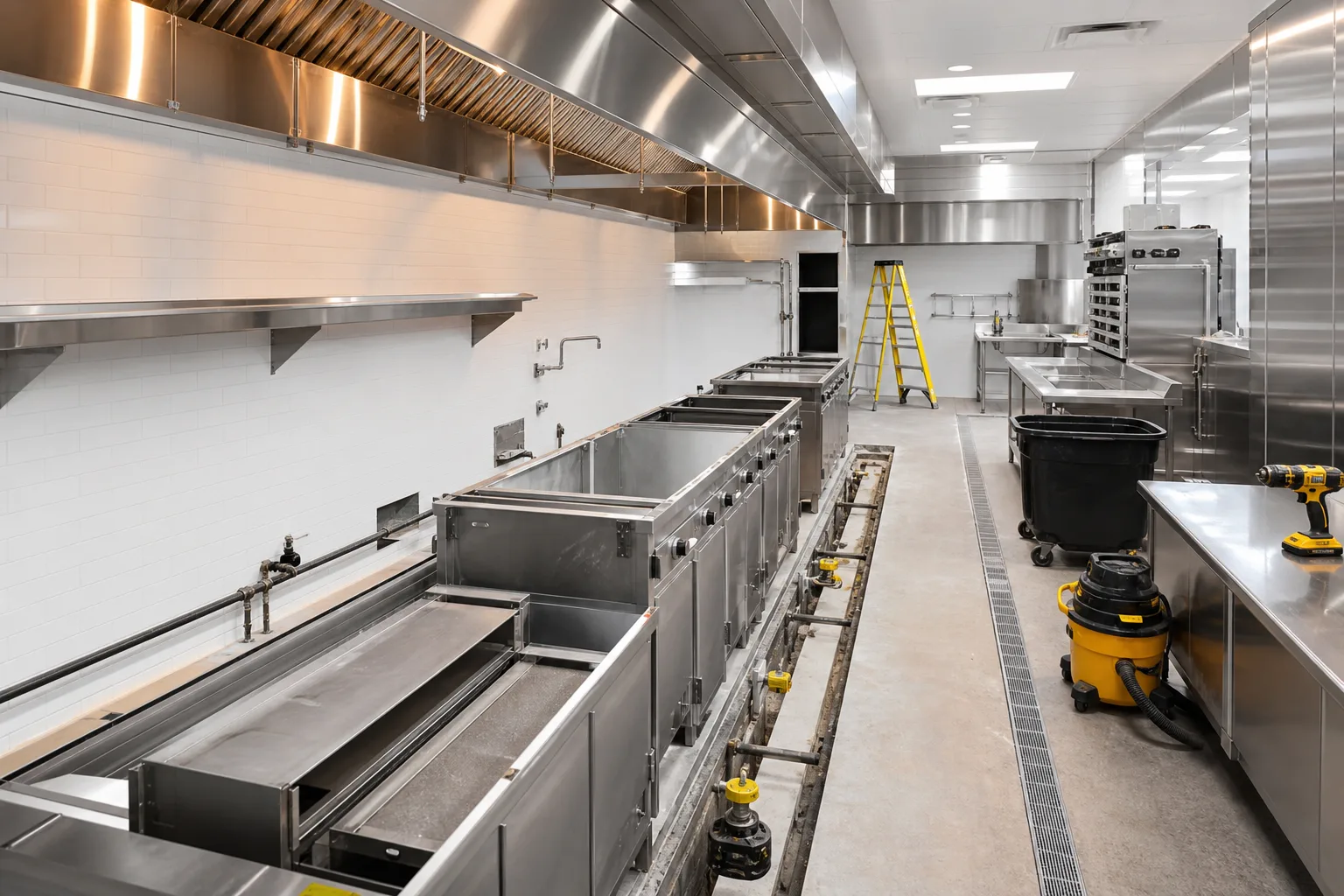
Commercial kitchen demolition in Miami’s restaurant district is booming due to the hospitality industry’s rapid changes.
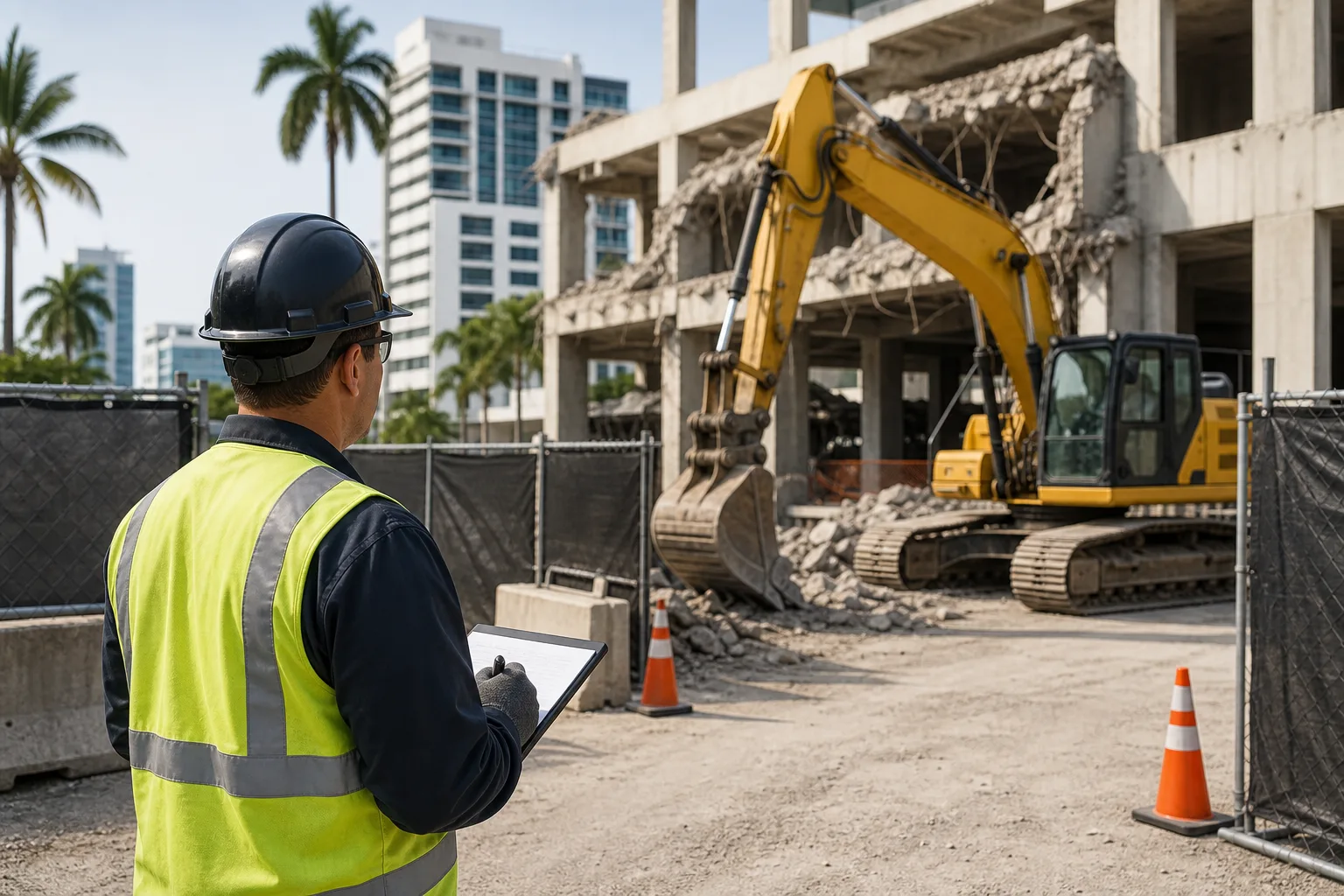
Driven by redevelopment, compliance upgrades, and new standards, restaurant owners are investing in kitchen overhauls to stay competitive.
Miami’s dense, high-traffic areas present unique challenges for owners who need experienced contractors to navigate regulations and permitting for successful demolition projects.
Understanding Commercial Kitchen Demolition
Commercial kitchen demolition can vary from removing specific equipment and fixtures to completely gutting the kitchen.
Full demolition includes taking out equipment, flooring, walls, ceilings, electrical systems, plumbing, and HVAC components. It’s often necessary when restaurants need major remodels or upgrades to meet code compliance.
On the other hand, selective removal focuses on specific areas without impacting the entire kitchen.
Cost Breakdown for Miami's Restaurant District
Demolition costs depend on the complexity of the project. Standard kitchen demolition costs range from $4–$8 per square foot, while more complex projects with hazardous materials or difficult access can reach $12–$25 per square foot [1].
Additional costs include asbestos abatement ($2–$3 per square foot), permit fees ($200–$1,000), and disposal costs for specialized waste.
Typically, commercial kitchen demolition in Miami can range from $12,000 to $180,000+, with mid-sized kitchens costing around $30,000–$60,000.
Unique Challenges in Miami's Restaurant District
Miami’s dense restaurant district brings challenges like limited access to properties, specialized equipment needs, and noise ordinances that restrict demolition hours.
Some properties are historic and may require special permits for demolition. Coordination with nearby businesses is also crucial to avoid operational disruptions.
Compliance and Safety Regulations
Compliance with EPA and OSHA regulations is essential for handling hazardous materials like asbestos and grease. Local permits, including pre-demolition surveys and utility disconnection notifications, must be secured. Proper waste disposal and legal notifications to stakeholders are also required.
To ensure a smooth and efficient commercial kitchen demolition, it’s important to follow a structured process that minimizes risks and prepares the space for renovation. Here's a breakdown of the essential steps:
- Initial Site Assessment
Begin by conducting a thorough site assessment to evaluate the kitchen’s current state. This includes identifying any potential hazards, structural concerns, and utility locations. - Pre-Demolition Survey
Perform a pre-demolition survey to ensure all safety protocols are in place. This survey helps pinpoint areas that need special attention, such as hazardous materials or contamination. - Hazardous Material Removal
Before any demolition begins, address and remove hazardous materials like asbestos or grease contamination. This is essential for ensuring a safe work environment. - Utility Disconnection
Disconnect all utilities—gas, water, electricity, and HVAC—before starting demolition. This ensures safety and prevents any disruptions during the process. - Debris Removal and Recycling
Throughout the demolition, carefully remove debris and consider recycling materials like metal or stainless steel. This reduces waste and supports sustainability goals. - Post-Demolition Site Check
After the demolition is complete, conduct a final inspection of the site to ensure everything has been removed and properly prepared for the next construction phase. This step ensures the space is ready for the renovation process to begin.
This structured approach ensures that each phase of the demolition is carefully planned and executed, setting the foundation for a successful renovation.
Cost-Saving Tips and Value Optimization
To save costs, schedule demolition during off-peak hours and negotiate bulk contracts for multiple renovation phases.
Material recycling, especially stainless steel, can offset disposal costs. Working with contractors who understand Miami’s local codes can help avoid costly delays and issues.
FAQs
1. How long does a typical commercial kitchen demolition take?
Most commercial kitchen demolitions take 3–10 business days, depending on the size and complexity of the kitchen. If hazardous materials need to be removed or permits are delayed, the timeline can extend by an additional 1–2 weeks.
2. What key factors impact demolition costs in Miami’s restaurant district?
Demolition costs are influenced by factors such as site accessibility, the presence of hazardous materials, permit requirements, and disposal fees. These elements significantly affect the overall price and timeline of the project.
3. Do insurance policies cover any demolition expenses?
Insurance coverage for demolition varies by policy. Voluntary demolition is usually not covered, but if the demolition is due to covered damage (like fire or water damage), it may qualify for partial reimbursement.
4. How can I manage business interruption during demolition?
To minimize disruption, schedule demolition during slow business periods. Consider setting up temporary kitchens and coordinating the demolition in phases to allow your restaurant to continue operating without significant revenue loss.
Commercial kitchen demolition in Miami’s restaurant district requires careful planning, adherence to local regulations, and collaboration with experienced contractors.
By understanding costs, challenges, and best practices, restaurant owners can ensure that their kitchen renovations are successful and compliant, positioning them for long-term growth in Miami's competitive hospitality market.
Reference:
- https://www.hellodata.ai/help-articles/average-demolition-cost-per-square-foot-in-commercial-real-estate#:~:text=Commercial%20Real%20Estate-,Average%20Demolition%20Cost%20Per%20Square%20Foot%20in%20Commercial%20Real%20Estate,foot%20to%20the%20overall%20cost.