
Demolishing Properties in Miami Flood Zones: Special Considerations
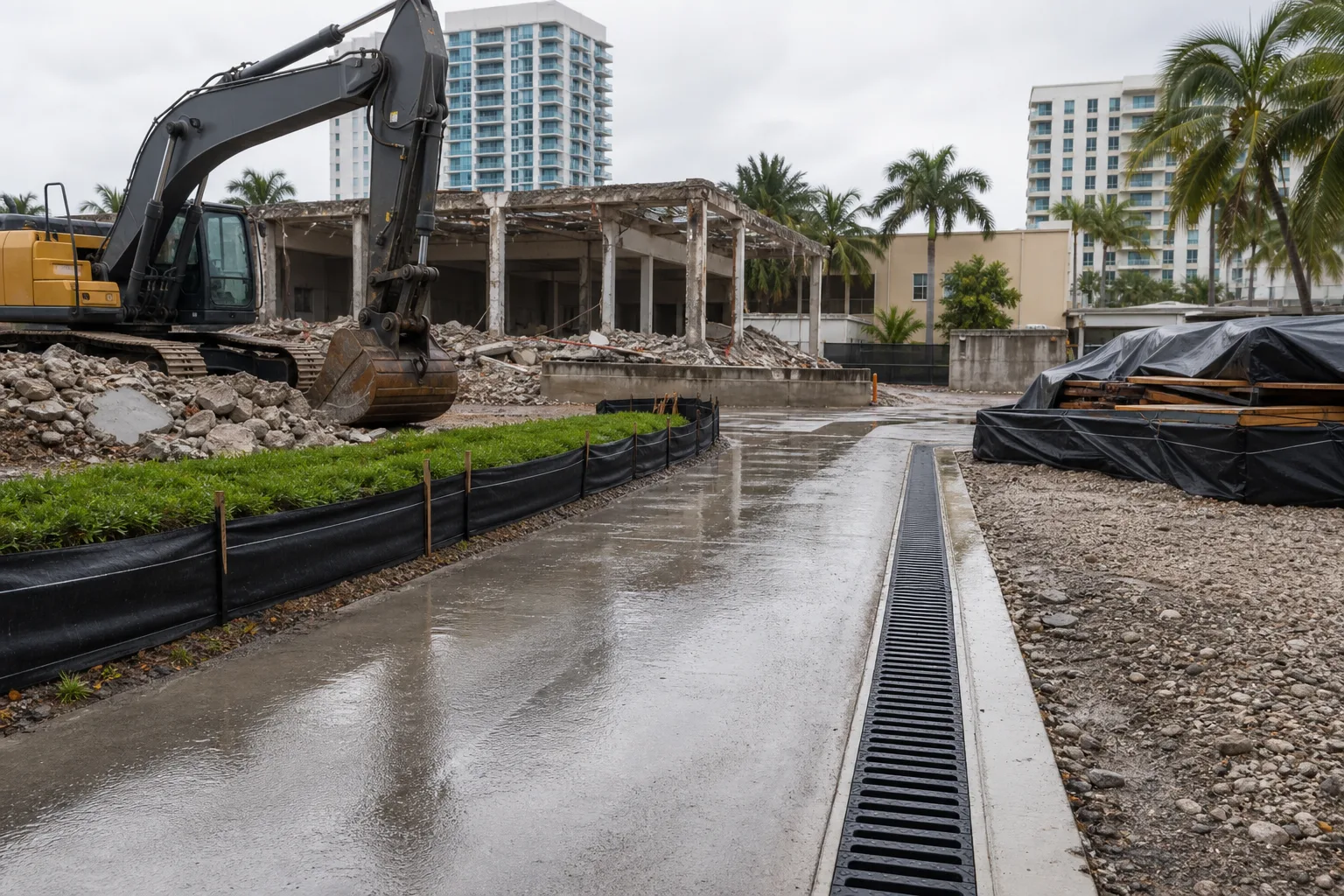
Miami’s coastal location makes it highly susceptible to flooding, and this risk greatly impacts demolition projects.
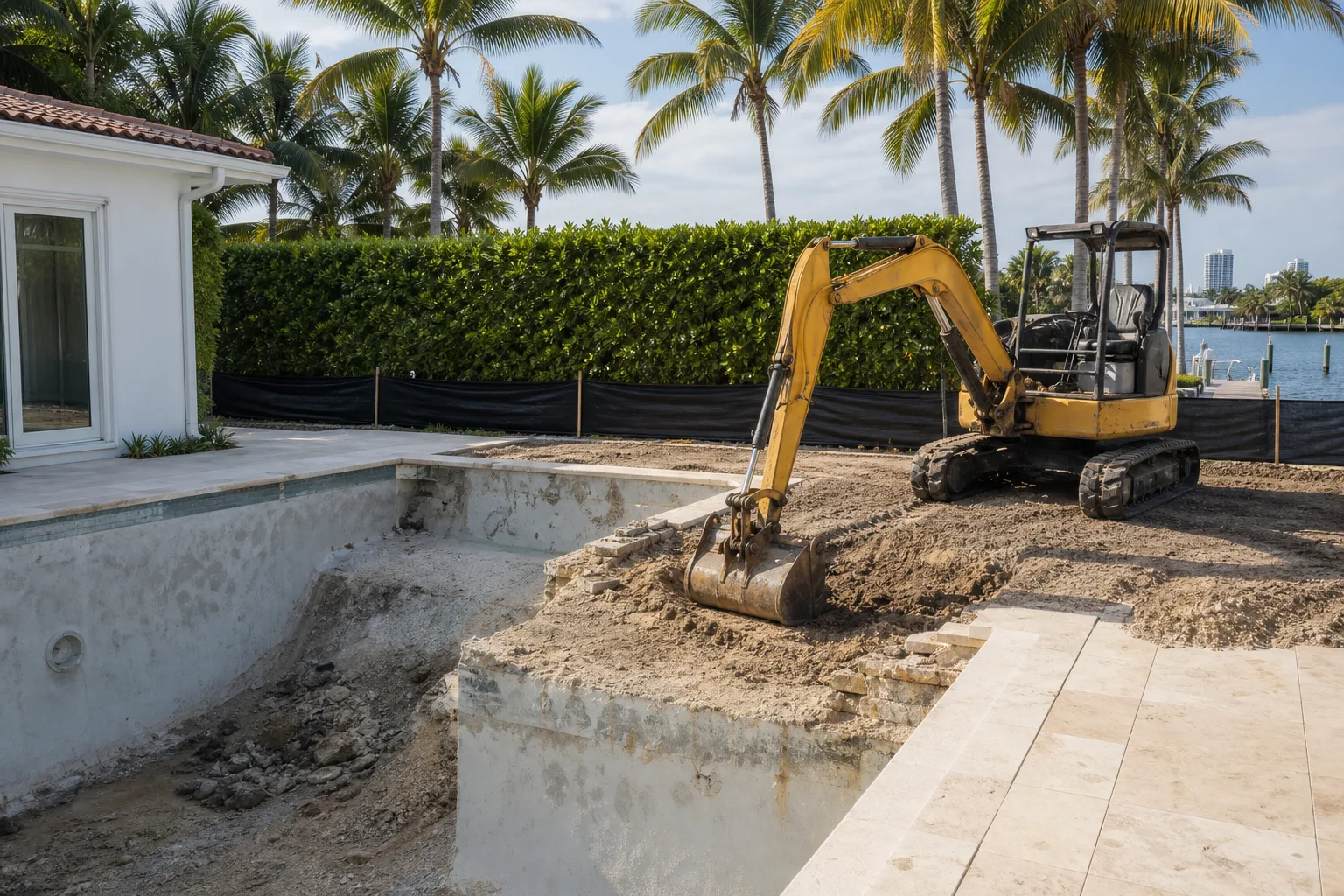
Property owners planning to demolish in flood zones must address unique challenges related to permits, safety, environmental concerns, and long-term property development plans.
Failing to meet these specific requirements can result in delays, higher costs, and potential legal issues.
Identifying Flood Zones in Miami
To get started, it's essential to understand which flood zone your property falls into. FEMA’s Flood Insurance Rate Maps (FIRMs) classify flood risks across Miami into various zones.
Each zone carries its own set of requirements that can affect your demolition plans. You can access these maps through FEMA’s online service or Miami-Dade County's flood zone tools.
The key flood zone classifications in Miami include:
- Zone AE: Areas with a 1% annual chance of flooding, with established base flood elevations.
- Zone AH: Areas with shallow flooding, ranging from 1 to 3 feet deep.
- Zone VE: Coastal high-hazard areas at risk of wave action.
- Zone D: Areas with undetermined flood hazards.
Flood zone designations will directly impact your permit requirements, construction standards, and the environmental protections necessary for demolition.
Legal and Regulatory Framework for Demolition in Flood Zones
Once you’ve identified the flood zone, the next step is securing the appropriate demolition permits.
In flood zones, these permits require approval from both City of Miami and Miami-Dade County authorities.
Keep in mind that the permitting process includes additional steps to ensure flood zone compliance.
Here’s what you need to know:
- Only licensed contractors can apply for these permits.
- In coastal flood zones, Florida laws allow expedited permit processing after major storm events when structures are substantially damaged.
- Historic structures in flood zones have additional restrictions and require a separate review process.
Several agencies are involved in the regulatory process:
- FEMA: Oversees floodplain management.
- Florida Department of Environmental Protection: Manages coastal and wetland protections.
- Miami-Dade County & City of Miami: Ensure compliance with local building and safety regulations.
FEMA and Floodplain Management Considerations
One crucial rule you need to be aware of is FEMA’s 50% rule. If repair costs exceed 50% of a structure's market value, the building is considered substantially damaged [1].
This means the property must be elevated or floodproofed to meet current floodplain management standards.
For new construction or substantial improvements, the lowest floor must meet base flood elevations, plus freeboard requirements.
Essential Documents You’ll Need
To ensure everything runs smoothly, having the right documents is vital. One key document is the Elevation Certificate, which verifies that your property meets FEMA's required elevation standards.
This certificate not only confirms your property is prepared for flood-resistant construction but also helps streamline your insurance process.
Next, let's take a look at some additional environmental and safety protocols specific to flood zones.
Environmental and Safety Protocols Specific to Flood Zones
Flood zones pose unique environmental and safety challenges during demolition.
For example, water intrusion, soil instability, and hazardous materials must be managed carefully to ensure a safe demolition site.
Here are some critical considerations:
- Dewatering systems: These are often required to prevent water accumulation.
- Soil stabilization: Ensures that the site remains safe for demolition activities.
- Hazardous material handling: Flood zone demolition must account for potential contamination, requiring specialized storage and disposal measures.
In addition, stormwater runoff and debris containment systems are necessary to protect local waterways from construction-related pollution.
Contractors are also required to follow erosion control and sediment barrier requirements.
Practical Challenges and Solutions in Demolishing Flood Zone Properties
Demolishing properties in flood zones brings unique logistical and scheduling challenges. Miami’s hurricane season, running from June through November, presents elevated risks.
Contractors typically avoid major demolition activities during peak storm months to protect workers and equipment.
For flood-prone sites, specialized equipment may be necessary, such as amphibious excavators capable of handling waterlogged areas or unstable soil conditions.
Key Considerations:
- Timing: The best time for demolition is between November and April, avoiding the hurricane season.
- Access: Flooding may impact access roads and staging areas, requiring alternative routes and flood protection measures for equipment.
Post-Demolition Requirements and Site Preparation
Once demolition is complete, it’s time to prepare the site for future development. Site preparation in flood zones must meet floodplain management standards.
This includes:
- Debris removal: Proper disposal is crucial to prevent contamination.
- Site grading and drainage: Essential for compliance with flood control standards.
Additionally, temporary flood protection measures may need to be installed during reconstruction to protect both the site and surrounding properties.
Cost Implications and Insurance Considerations
Demolition in flood zones typically incurs higher costs due to specialized permits, environmental safeguards, and elevation requirements for new construction.
These costs can range from $20,000 to $100,000 or more, depending on the flood zone.
Insurance Considerations:
- Flood insurance: Property owners may need to maintain flood insurance during the demolition process.
Higher insurance premiums: Contractors working in flood zones face increased insurance costs, which are often passed on to property owners.
Choosing the Right Professionals for Flood Zone Demolition
Selecting experienced professionals is key to a successful flood zone demolition. Look for contractors who are familiar with flood zone regulations and FEMA compliance.
The essential team members for your project include:
- Structural Engineers
- Surveyors
- Environmental Consultants
FAQs
1. How does FEMA's 50% rule affect demolition decisions in Miami flood zones?
FEMA’s 50% rule requires elevation or floodproofing when repair costs exceed 50% of a structure’s market value. This often makes demolition more cost-effective than repairs.
2. What additional costs should I expect for flood zone demolitions in Miami?
Additional costs that you should expect for flood zone demolitions in Miami include a 15-30% more than standard demolitions, due to specialized permits, environmental safeguards, and elevation requirements.
Final Thoughts: Navigating Flood Zone Demolition in Miami
Demolishing properties in Miami flood zones requires careful planning, compliance with various regulations, and working with professionals who understand the complexities of floodplain management.
While these projects can incur additional costs and require specialized knowledge, the right team can navigate the challenges efficiently.
By ensuring you follow flood zone regulations and hire qualified professionals, you can ensure a smooth demolition process that sets you up for long-term success and resilience.
Reference:
- https://www.fortmyersbeachfl.gov/DocumentCenter/View/16189/50-Percent-Rule-FAQ_2021docx